Launceston Tramway Museum
Ride a vintage tram
The Launceston Tramway Museum preserves part of Tasmania’s urban transport history on a short stretch of former tramway. It offers a focused visit that combines historic vehicles with a working tram ride. The museum is run by volunteers and is close to the Queen Victoria Museum at Inveresk, making it a manageable addition to a day in Launceston.
Launceston operated an electric tramway system from 1911 until 1952. It was one of several Australian cities to adopt electric trams in the early 20th century. The network supported suburban growth and daily commuting before rising car ownership led to its closure.
The Launceston Tramway Museum was formed to preserve vehicles from that system. Volunteers acquired trams and equipment that would otherwise have been scrapped. Over time, the museum developed a short operating line to demonstrate how the trams once worked.
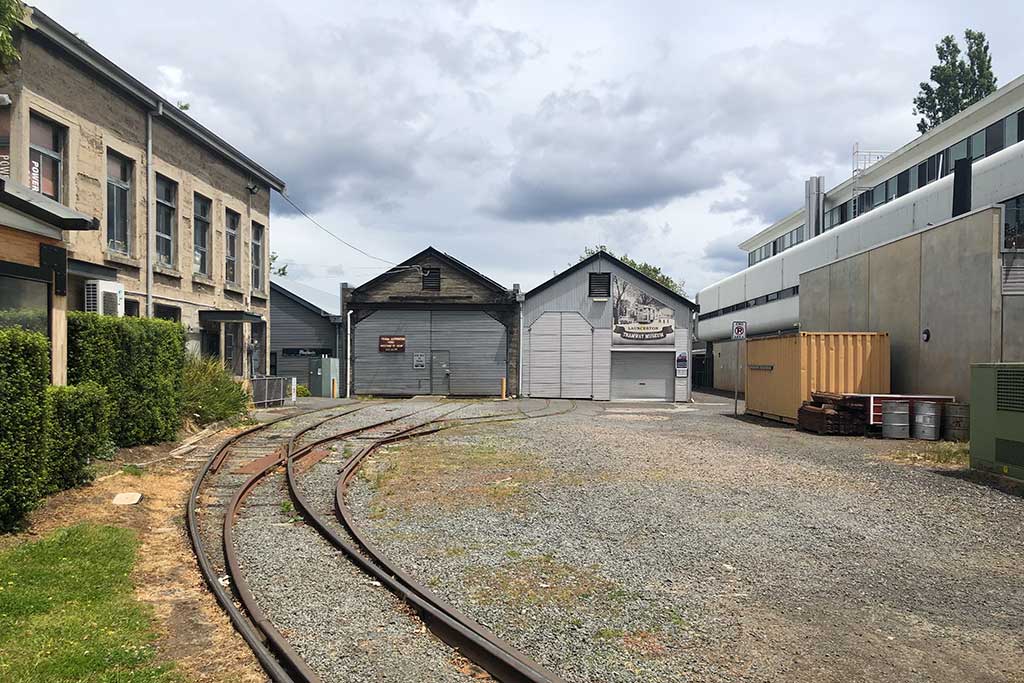
The site chosen was part of the former network. This allows trams to run on original alignments rather than within a static display hall alone. The museum therefore combines conservation with operation.
The attraction reflects broader changes in Australian transport history. It shows how public transport once shaped cities before private cars became dominant. In Tasmania, where distances are shorter, trams played a significant role in everyday life.
What to see at the Launceston Tramway Museum
The museum’s main focus is its collection of restored trams. These include original Launceston vehicles as well as trams from other Australian systems. Some are fully operational, while others are displayed indoors.
Visitors can board a working tram for a short ride along the track. The journey runs through bushland and open ground, offering a sense of how trams once moved through the city. Conductors often provide brief explanations during the ride.
Inside the depot, trams are arranged to show different periods of design. Wooden-bodied early trams contrast with later steel vehicles. Interiors display original seating, fittings and signage.
Smaller exhibits include photographs, tickets and tools. These help explain tram operation and maintenance. Information panels outline the development and decline of the Launceston system.
A workshop area is sometimes visible. Volunteers carry out restoration work using traditional methods. This provides insight into the effort required to keep historic vehicles running.
The museum is informal in layout. Displays are functional rather than theatrical. This suits visitors interested in transport history rather than polished exhibitions.
Visiting the Launceston Tramway Museum
The museum is located at Inveresk, north of the city centre. It is close to the University of Tasmania Inveresk campus and the Queen Victoria Museum. It is fairly easy to reach on foot from central Launceston.
The museum is open Tuesday to Saturday.
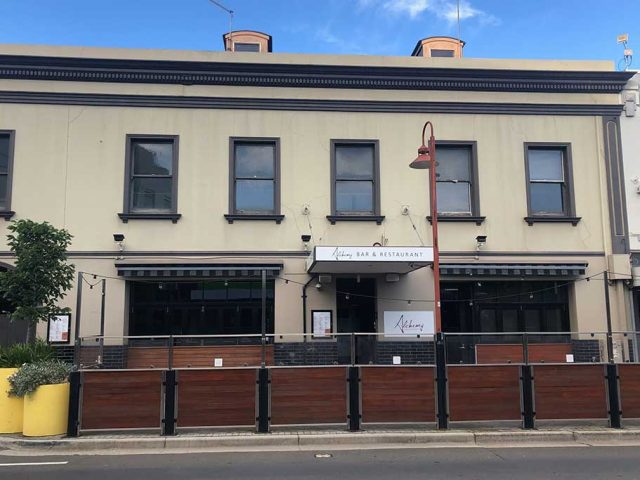
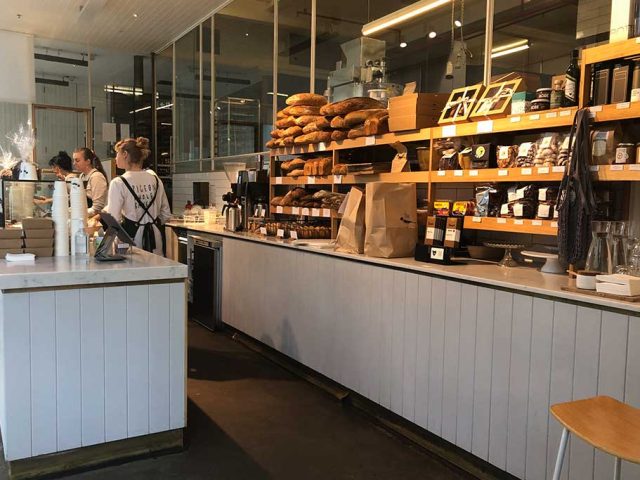
Although there aren’t a lot of visitor facilities, you can grab something to eat and drink at the Blue Social Eatery next door and the Queen Victoria Museum is just a couple of minutes’ walk from here.
Allow around 60 to 90 minutes for your visit.
2 Invermay Road, Invermay TAS 7248
Tel 03 6334 8334
Website launcestontramwaymuseum.org.au
Admission $6.50, seniors $6, children $2.50
Open Tue–Sat 10am–3pm